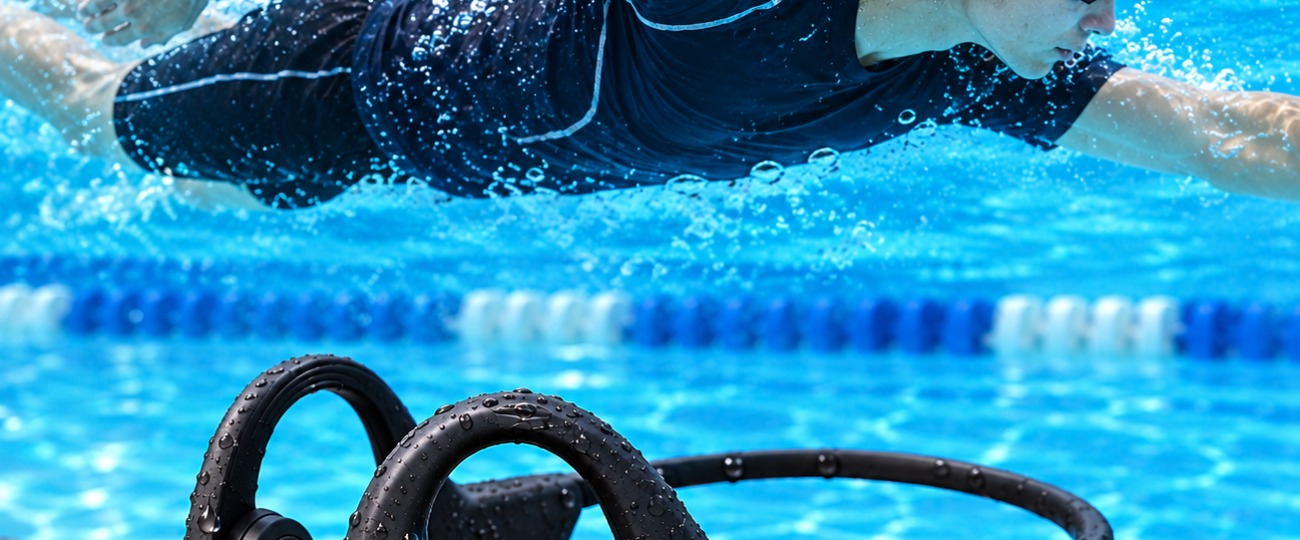

People typically look for geekzilla.io swimming headphones when they’re interested in headphones that can be used for swimming or getting some exercise done in the pool. Unlike standard Bluetooth earbuds, swimming headphones do not need the ability to stream music via Bluetooth, which is not reliable underwater.
More than water resistance is needed for a good pair. Whether the fit is right, the audio storage, the controls, or the comfort, and if you will be using the headphones for your swimming exercise regularly, the manner in which the headphones manage pool water can influence the experience.
What are Geekzilla.io Swimming Headphones?
The content associated with the term “geekzilla.io swimming headphones” refers to articles or content focused on headphones intended for use while swimming. The article covers various factors to consider when selecting the best headphones for pool use, such as underwater sound and water resistance. You can also take a look at the website and its contents to get a wider and more detailed view of the website and its content in this GeekZilla.io explained guide.
Before taking the word of any product information, it’s a good idea to check the website address, as there are several websites with similar GeekZilla names. The swimming-headphones content is also found in conjunction with geekzilla.net, so check the domain prior to relying on information or buying.
Why Are Swimming Headphones Different?
The regular Bluetooth earbuds are made for land use. A large problem with Bluetooth signals is water, which does not conduct radio signals as well as air.
That is, a set of Bluetooth earbuds that are flawless for a stroll could not stay connected once you submerge your head in water. They’re aware of this, and swimming headphones might utilize internal memory rather than phone connections entirely.
Can You Use Swimming Headphones Underwater?
They can, but it does matter what technology they use. The main reason for this is that Bluetooth is not always a reliable connection underwater, as water disrupts the wireless link between your phone and headphones.
This is why many swimming headphones have an MP3 mode or internal storage. With this system, you can upload audio to the headphones prior to entering the pool; without the need for a continuous Bluetooth link, the headphones will play stored audio.
The Features to Look for in Swimming Headphones
When selecting swimming headphones, there’s more to it than just making sure that the product is waterproof. There are a number of features which can influence the performance of a pair in normal swimming and also ease of comfort when the pair is used for longer periods.
Water Resistance
Swimming headphones should be made with water protection as one of their most critical specifications. IPX8 means that the product is capable of resisting continuous immersion under conditions stated by the manufacturer, although it will vary by product based on the depth of immersion and the time duration.
Therefore, do not use all IPX8 devices at the same time or depth. Before putting headphones in a pool, please consult the manufacturer’s instructions closely.
Built-In Music Storage
One great advantage of internal storage for swimmers is that Bluetooth connections can be lost while swimming. Headphones with built-in storage will continue to play music even if you don’t have a nearby smartphone.
Before swimming, you can move compatible audio files to the headphones, and just leave your phone on the poolside. This is one of the most practical features to consider when choosing swimming headphones, as they allow users to enjoy music without relying on an internet connection.
Bone Conduction
Some swimming headphones use bone conduction, rather than sealed earbuds. This design allows sound to travel via vibrations and keeps the ear canal open compared to traditional “in” headphones.
The choice of whether to use the bone conduction method is up to each person’s comfort and preference. It is useful for swimmers who don’t prefer to have normal earbuds in their ears during exercise.
Fit and Comfort
A good fit is important when swimming because the headphones can shift when pushing off the wall, turning the head, or changing the stroke. Even if it sounds good, a device that is continuously vibrating can be distracting.
Check for a design that will hold firmly in place with no uncomfortable pressure. Before purchasing a pair of headphones that you’ll want to use regularly in the pool, think about the design of the headphones.
Controls
The headphones can be easier to use while swimming with the help of simple controls. Depending on the model, you can adjust the volume, switch tracks, pause audio, or switch modes directly from the headphones.
Large and easy-to-use controls can be helpful when your hands are wet. But how each of the controls works differs from model to model, so read the product specifications first.
Are Swimming Headphones safe in Chlorinated Water?
Just because a swimming headphone is water-rated doesn’t necessarily imply that it won’t react to all water types. The chlorine in pool water and the properties of salt water can impact materials and seals over time.
Once you have finished swimming, follow the manufacturer’s care instructions and, if advised, rinse the headphones. Give them time to dry before storing or charging them, particularly if you have exposed them to chlorinated or salt water.
Why Bluetooth isn’t a Problem Underwater
When you have a relatively clear path between your phone and headphones, Bluetooth is a good option. Swimming eliminates that with its constant head and headphones underwater.
The signal can be noticeably degraded by the presence of water and may even fail in water. Just because the headphones themselves are waterproof doesn’t mean that Bluetooth will run smoothly.
That’s why having built-in music storage can be one of the most valuable features for swimmers. Musical content can be put directly on the headphones and then listened to even when disconnected from the wireless connection.
How to Prepare Swimming Headphones Before a Workout
If your headphones can play music when offline, set them up before you enter the pool. Move your music or other supported audio files to the headphones and verify that the music plays without an internet connection.
Prior to starting your exercise, you should also check the battery level, as well as ensure that the headphones are securely in place. Most importantly, find out if the manufacturer’s instructions permit the headphones to be used in the water that you intend to use them in.
How to Care for Swimming Headphones
With the proper care, water-resistant electronics can last longer. Even the headphones made specifically for swimming should not be considered maintenance-free, but should be maintained as per the manufacturer’s recommendations.
Rinse After Swimming
When the manufacturer recommends rinsing the headphones, rinse with clean fresh water after swimming. This will help to wash away any chlorine, salt, or other residue left on the machine from an exercise session.
Avoid using cleaning products or methods not recommended by the manufacturer. The best thing to do is to follow the care instructions given for the specific model.
Dry Them Properly
If the manufacturer suggests drying the headphones before putting them in their case or storage area, do so. Even if electronic devices are engineered to withstand water exposure, trapped moisture can be a problem.
Follow the manufacturer’s guidelines and let headphones dry before storing and charging them. Make sure to focus on charging areas and detachable covers.
Check the Seals
One of the factors in protecting against water is to ensure that the device’s seals and protective covers are in proper condition. Regularly inspect for damage, loose parts, and wear in these areas.
If an electronic component that provides the water-resistance rating is damaged, it may no longer be as water-resistant as it was originally. Replace/repair as per the manufacturer’s instructions when required.
Should you try Geekzilla.io Swimming Headphones?
It will depend on what you are looking for in swimming headphones. If you swim regularly and prefer to listen to music while exercising, it’s more important to have internal storage, waterproofing, a snug fit, and simple controls than just a recognizable brand name. For more information about other tools related to GeekZilla, you can visit the Age Calculator: GeekZilla.io.
Check the details before purchase, including exact model information, specifications, water resistance rating, audio format compatibility, battery information, and return policy. Specifications may vary; please check with the manufacturer or retailer before ordering.
Frequently Asked Questions
Geekzilla.io swimming headphones are what?
Content for GeekZilla that is identified with swimming-headphones. Headphones designed for water use, like water protection and offline music playback, are discussed.
Are swimming headphones suitable for underwater?
Yes. Swim-specific headphones can also broadcast music in the water—although Bluetooth might not function perfectly. In contrast, a majority of swimming models rely on internal storage.
Can Bluetooth be used in water?
As a rule, Bluetooth is not very reliable underwater since water disrupts the wireless signal. Hence, many of the swimming headphones have the option of playing music without a phone signal.
Do IPX8 headphones repel water?
The IPX8 rating means that the device can be immersed in water for a specific period of time. Depth and duration vary from manufacturer to manufacturer according to their testing and instructions; please check the specific manufacturer’s information.
Bone conduction or earbuds – which is better for swimming?
There’s no one-size-fits-all solution. Bone conduction will help to maintain the ear canal open, while sealed versions can offer a different listening experience. The selection should be based on comfort, fit, and intended use.
Final Thoughts
The most important thing to note about geekzilla.io swimming headphones is that swimming audio is not the same as regular wireless. For frequent use of the pool, water protection, underwater connectivity, built-in storage, fit, and maintenance are all important features to consider with headphones.
When considering a swim pair, do not just assume that it is suitable based on the name, but double-check current specifications and the manufacturer’s instructions. The main benefit of offline playback is that for many swimmers, it’s the most practical feature, as it means they can keep playing audio without relying on Bluetooth underwater – and they can store their music or audiobooks on the headphones.